


Sewer :Line Repair
Shifted Sewer Joints: How Ground Movement Pulls Your Wastewater System Apart
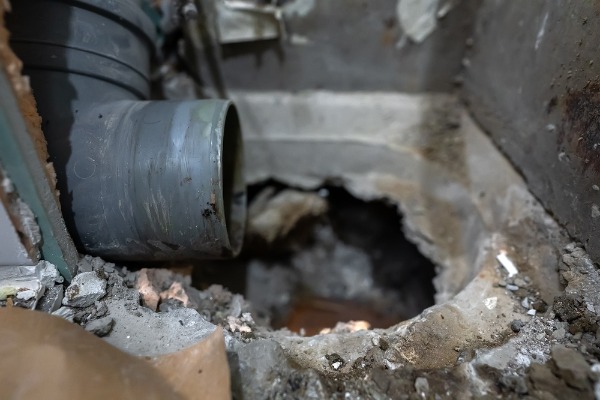
If your sewer line was installed correctly and nothing ever changed underground, it would probably last for decades without a hiccup. The problem is that the ground around that pipe never actually holds still. It swells when it rains, shrinks during dry stretches, and shifts every time tree roots push through the soil looking for…
Read MoreDriveway Sewer Pipes Cracking? Understanding Red Clay Soil Shifts
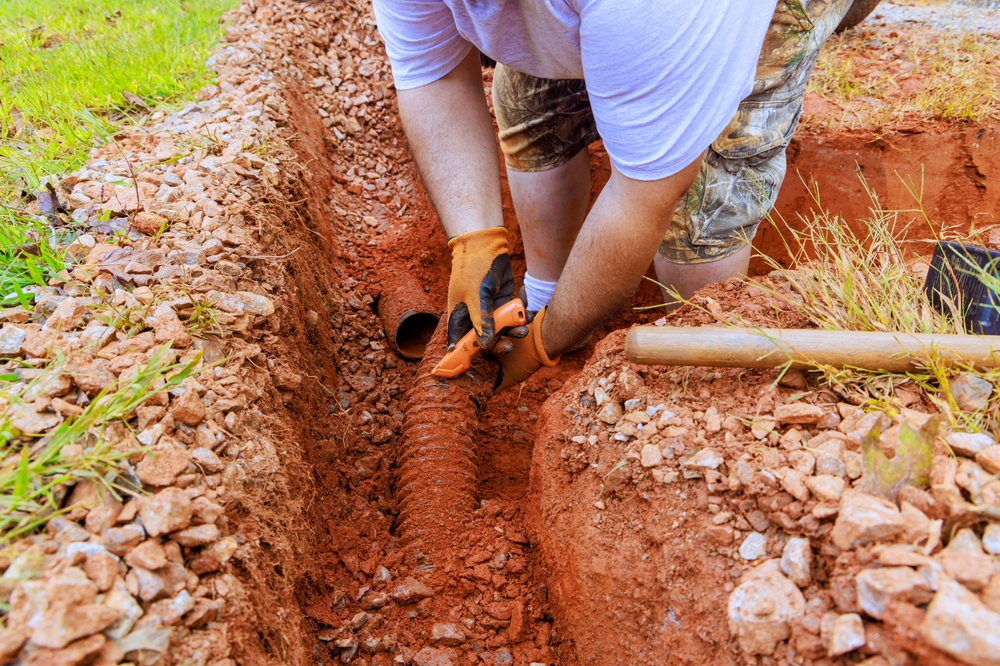
A cracked sewer pipe under a driveway may have nothing to do with what happens inside the pipe. The soil surrounding it can be part of the problem. The combination of dense red clay, seasonal rainfall, and other factors can place stress on buried sewer lines, particularly when older pipes are already vulnerable. At Local…
Read MoreSewer Line Infiltration: Why Your Drains Back Up After a Heavy Rain

Heavy rain brings relief to gardens, but it often brings a different kind of drama to home plumbing. When a severe storm rolls through, a sudden backup in basement drains or ground-floor toilets causes immediate stress. This phenomenon is not a random coincidence; it is a direct result of a process known as inflow and…
Read MoreLet Your Sewer Line Breathe: The Importance of Vent Stacks

Slow drains, gurgling sounds, and sewer odors often point people toward a blockage deep in the line. Sometimes, the issue is not in the sewer pipe at all. It starts above your roof. As the local experts on sewer line replacement in Lawrenceville, GA, Local Plumbing and Septic traces these symptoms back to blocked vent…
Read MoreThe Sewer Belly Mystery: Why Your Pipes Are Sagging Underground

A slow-moving drain, recurring backups, or unexplained sewage odors often point to a problem that sits far below the surface. One of the most overlooked issues we see at Local Plumbing and Septic is a sagging section of pipe known as a belly. These dips can quietly disrupt wastewater flow and create repeated trouble for…
Read More